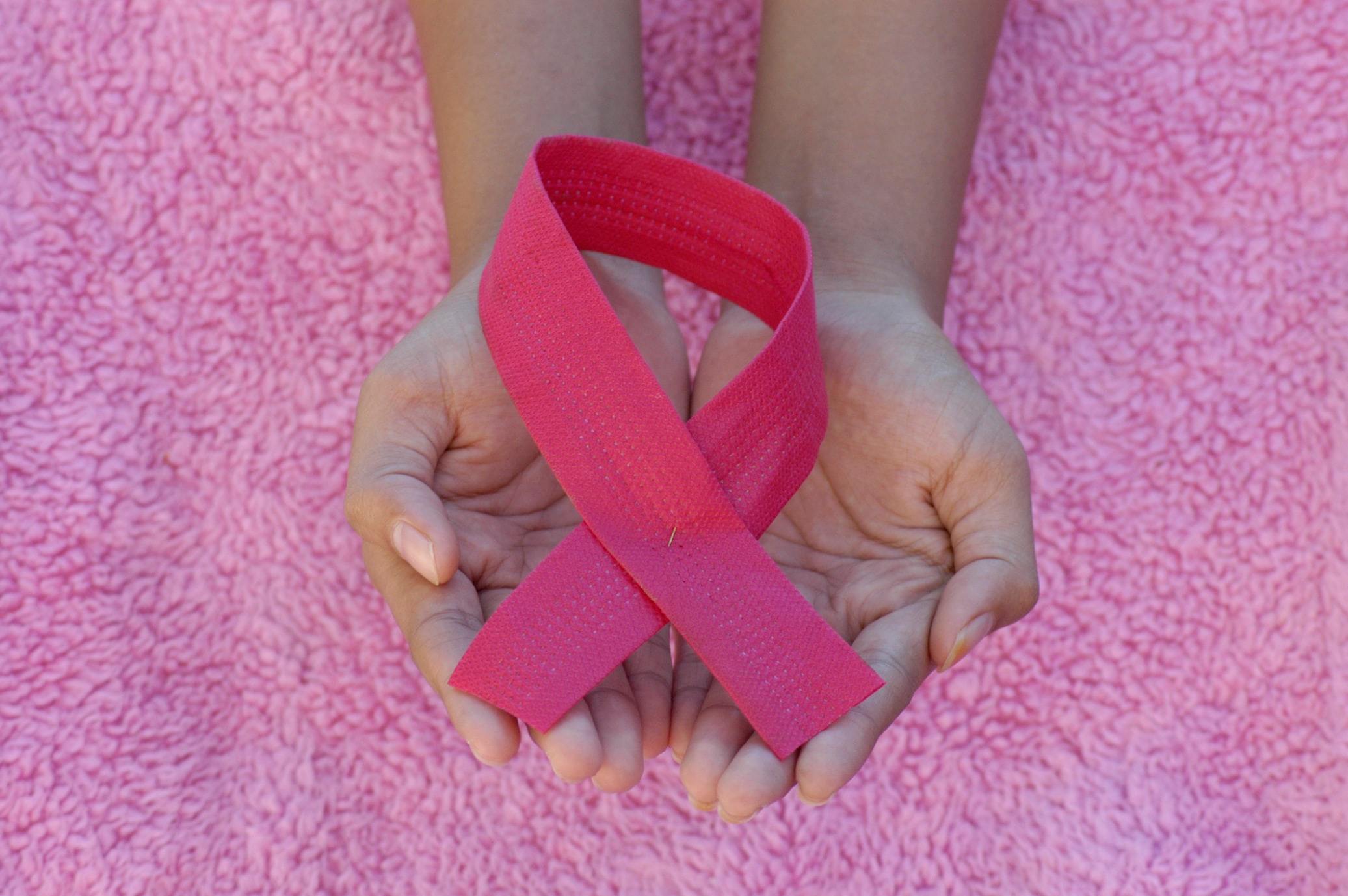
Breast cancer is the most common cancer in women in Australia, but it is very treatable if caught early. The good news is that breast cancer has an extremely good five year survival rate, with 92% of all women (and men) diagnosed with breast cancer living at least five years post diagnosis. Most breast cancers are discovered by regular screening or self checks followed by a professional exam. Treatment for breast cancer can significantly impact a woman's body. In this post, you will learn six of the more common things you can expect when seeking treatment.
Keep Up With Regular Checkups
Once you have been diagnosed with this disease, it is essential to remember that the earlier you catch this disease, the more likely you are to survive. To that end, it is vital that you visit your local breast center to receive routine mammograms and advice on checking yourself at home. If you are armed with this knowledge, you'll still need to visit the hospital regularly for checkups, but you'll also be able to perform a basic check at home.
What Is The Most Common Treatment For Breast Cancer?
It can be challenging to describe exactly what to expect because there are five primary forms of treatment that all involve different things. The five most common treatments are:
Surgery:
Surgery is the most prevalent type of therapy for breast cancer. This entails excising the tumor as well as any adjacent margins.
Radiation:
High-energy rays are used in radiation treatment to eliminate or significantly shrink cancer cells. The radiation only affects cells in the area of the body exposed to radiation.
Hormone therapy:
Hormone therapy for breast cancer is a therapeutic option for hormone-sensitive breast cancers. The most prevalent types of breast cancer hormone treatment function by preventing hormones from binding to receptors on cancer cells or by lowering the body's hormone production.
Chemotherapy:
Chemotherapy is a therapeutic strategy that employs a cocktail of medications to either eliminate or halt the development of cancer cells.
Targeted therapies:
Beyond standard treatments, there are now more effective medications that directly target breast cancer cells without harming normal cells.
Depending on the type of treatment you receive from your oncologist, you may experience different side effects. That said, you can expect a few things regardless of the treatment you receive.

Cancer Treatment: What You Can Expect
Some typical effects of breast cancer treatment include:
- Fatigue
- Dry mouth
- Constipation
- Changes in taste and appetite
- Muscle aches and cramps
- Nausea and vomiting
These effects are often temporary and may last for a few days to several weeks. It's important for anyone who has been recently diagnosed with breast cancer, or is at risk for breast cancer to stay engaged in their treatment and regularly check themselves for changes that can indicate a recurrence or an early sign of cancer.
You'll Feel Out Of Sorts
Breast cancer treatments often make you feel out of sorts , full of feelings like fear and anger. It can be hard to live with the process. Many factors can cause breast cancer treatment really difficult for patients, one factor being the procedure itself. The treatment normally involves an elaborate series of treatments, including surgery, radiotherapy, and chemotherapy. It is not easy to feel at ease in such a situation, and hence, people tend to feel out of sorts during this period.
The most common side effects that happen during breast cancer treatment are anxiety and depression . This can be due to the fear of dying, coupled with worries about being in the hospital for long periods or undergoing painful procedures. It is essential to remember that the treatments are helping the body heal, no matter how uncomfortable or distressing they may be. One way to find peace in these difficult times is by staying positive. You may not have as much stress when it comes time for your subsequent treatment or surgery if you can maintain a positive outlook on life.
If You Want To Work, You Should Be Able To
It is not uncommon for people to continue working and maintaining a relatively normal lifestyle during treatment. In most cases, people can continue working while receiving treatment (depending on the invasiveness of the treatment). So that treatments don't interfere with your professional schedule, ask your doctor to schedule therapies later during the day or just before the weekend. In some cases, you may need to change your schedule, especially if you are experiencing adverse effects.
There Will Be Feelings Of Melancholy
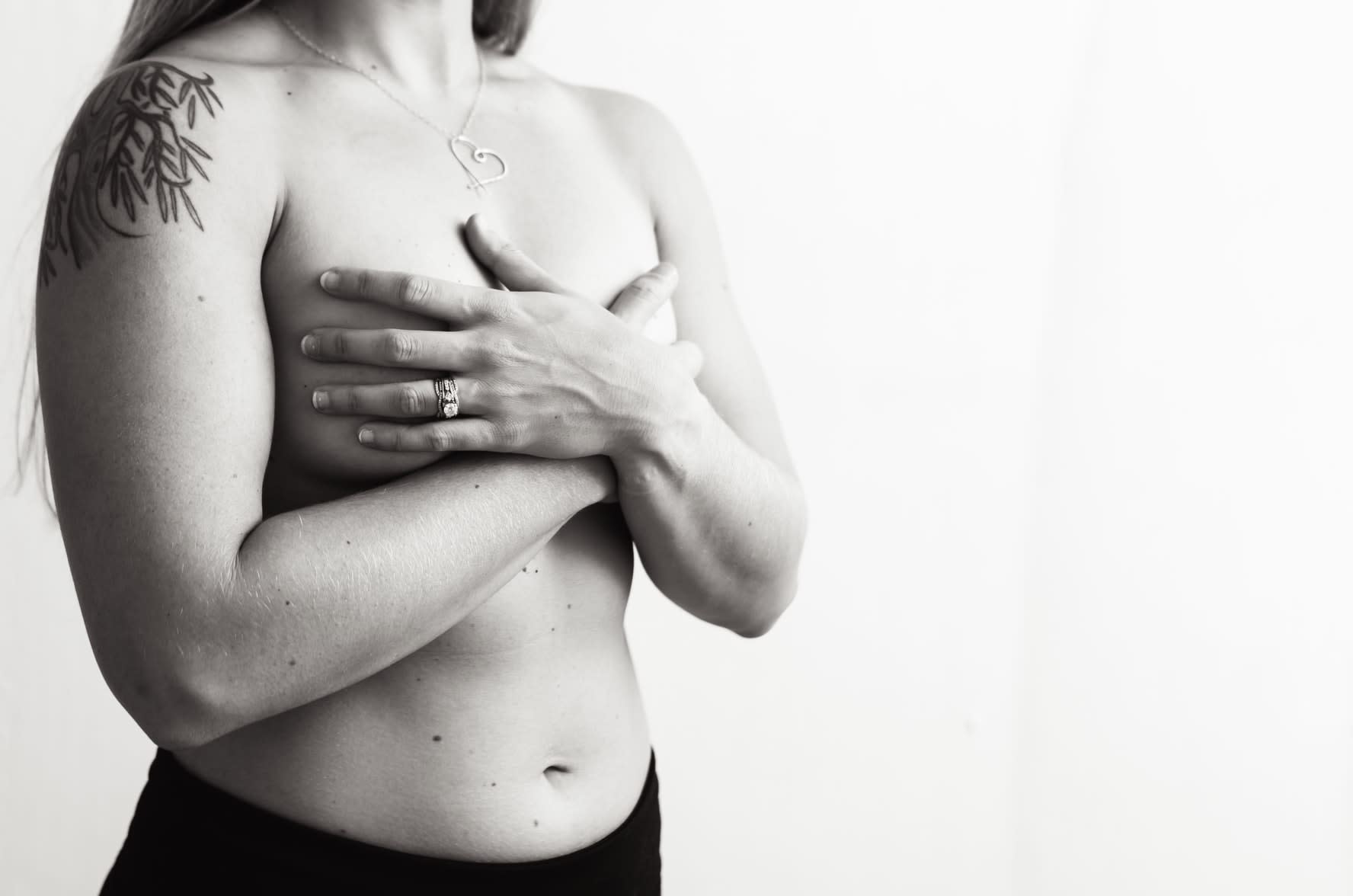
Why does breast cancer treatment make you feel sad? This is a common question that people have in their minds when they are going through the process of being treated for breast cancer. The most common reason for feeling sad around the time of treatment is when women are dealing with physical changes such as changes to their breasts, hair, or skin. Furthermore, it can often seem like no end in sight. The support of your loved ones can help you overcome these negative emotions and keep a positive attitude that you are on the road to recovery.
Most Of The Time You'll Be Tired
When people undergo cancer treatment, they experience emotional and physical stress. One of the common side effects of breast cancer treatment is fatigue. This can make it difficult for patients and their loved ones to cope with the treatment. Fatigue generally happens because chemotherapy and radiation aren't easy on the body, but the stress of going through treatment may also be a major factor in fatigue.
You Will Be Treated Differently By Others
Even though you may feel that you should not be treated differently, you may have to accept the fact that others will treat you differently. Many people who are diagnosed with breast cancer get treated differently. It can happen in both their professional and personal life. Some people are more insensitive, others are overly concerned, and some people may try to avoid you altogether in fear of causing offence or injury.
It Will Change The Way You See Life
One significant transformation that can happen to someone after experiencing cancer is the shift in perspective of what you value. It's essential for people to think about how they want to live their life after cancer treatment. For some, it might be a shift in priorities or values, while others might find it difficult to stop thinking about death.
There is no doubt that breast cancer is a harrowing experience for anyone diagnosed with it. Nonetheless, with a positive outlook and the support of loved ones, you will be better positioned to get through this difficult time.
All women should regularly check their own breasts for any abnormalities, but if you have a family history of breast cancer or you are a woman over the age of 40, you should schedule an appointment with a doctor to have a professional check. The fastest and easiest way to search for and book healthcare appointments online is with MyHealth1st.