
Benign prostatic hyperplasia (BPH) is a condition where an enlarged prostate limits the quantity of urine that can escape your body, meaning your bladder has to put in a much greater effort to achieve this task. As the bladder adjusts over time, it starts forcing out even small amounts of urine, resulting in frequent bathroom visits.
Around 50% of men in the age range of 50 to 60 experience BPH symptoms, and this percentage risk increases in even older men. Men suffering from BPH suffer many problems, including kidney, urinary tract, and bladder issues. In this article, we’ll introduce a few practices to integrate into your lifestyle for managing your BPH symptoms.
1. Be Careful with Fluids
One of the most common problems BPH patients face is how frequently they need to urinate. They may wake up five or six times at night to use the bathroom or need to find a restroom hastily every time they leave the house; this symptom can be extremely frustrating in the long term.
To help with this symptom, It’s essential that you keep note of the beverages that cause you to urinate often and find a way to steer clear of them. Usually, alcohol and coffee are at the top of the offenders’ list, which is why cutting down on them can bring some peace into your life. You should try controlling your daily fluid intake and limit it to less than two quarters per day while drinking less between dinnertime and bedtime.
2. Incorporate a Prostate-Friendly Diet
What you eat is directly related to maintaining your health. Try to intake various soy products, fruits, vegetables, and green tea. Additionally, eating foods rich in omega-3 fatty acids such as cold water fish or even taking a supplement can make a considerable difference. Avoid unhealthy trans fats and unhealthy saturated fats. One study concluded that palmetto, a well-known herbal remedy consisting of berries from the plant Serenoa, was shown to effectively reduces urination at night.

3. Urinate When Needed
While you probably can’t rid yourself of the need to urinate completely, you can relieve some pressure and reduce the heavy load you feel. Since BPH causes the inability to empty your bladder fully, you constantly feel the urge to urinate. When you’re out and about, take the chance to use the restroom when you encounter one.
Even if you feel like you don’t need to urinate, make a schedule to do so every few hours, especially before you leave the house or before you go to bed. A strategy to also adopt is double voiding; even if you feel like you’re done urinating, try again after a few additional seconds have passed.
4. Pay Attention to the Medications You Take
It’s important to keep note of any medications you are taking because a few over-the-counter allergies and flu medicines can lead to BPH symptoms getting worse. Medications for decongestion like Sudafed as well as antihistamines like Benadryl can lead to problems with urination frequency.
If you’ve been prescribed diuretics for high blood pressure, you’ll experience an increased need to take a leak. On the other hand, antidepressants are likely to reduce urine flow. Suppose you suffer from BPH and also use any of the aforementioned medicines. In that case, you should consult your doctor on the gritty details of BPH’s interactions with other drugs and the safest way to balance medication for your health issues.
5. Undertake Bladder Muscle Exercises
Some other frustrating issues riddled with BPH may entail leaking, dribbling, and a sense of urgency. One way to control such symptoms is to strengthen the muscles surrounding your bladder’s neck with the help of Kegel exercises and other exercises that focus on the pelvic floor.
The proper way to carry out Kegels is by contracting the muscles used to prevent urination and squeezing firmly for 10 seconds. Follow this by relaxing your muscles and repeating the procedure about 10 times. Including these exercises into your daily routine with three to five rounds can help increase the control you have over your bladder.
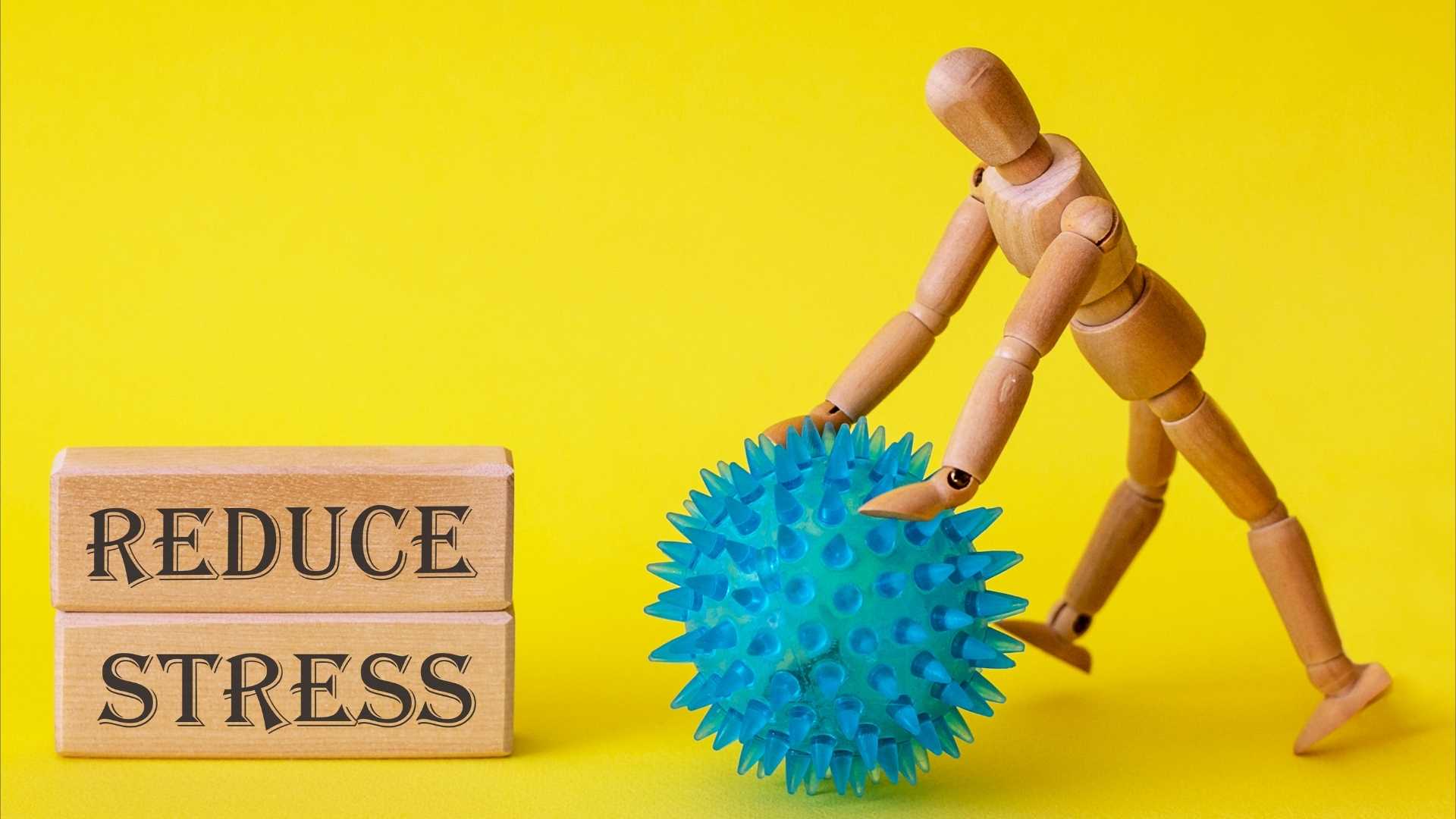
6. Reduce Stress
If you’re constantly stressed or anxious, your BPH symptoms are likely to worsen, making it a more stressful condition to deal with. A distressed individual will likely make more frequent visits to restrooms. By finding ways to control your stress, you can break out of this cycle.
One way of achieving this is to exercise daily as it is great for reducing both BPH symptoms and stress. You can also enroll in activities focused on stress reduction, such as yoga, meditation, and focused breathing. Simpler options like reading an interesting book or relaxing in a long, hot shower can also work.
7. Don’t Hesitate to Call Your Doctor
Your trusted doctor probably knows everything you need to know about your BPH symptoms, causes, and treatment. If you feel like your BPH is becoming so intense that you can’t manage it on your own, you should get in touch with your doctor. Regularly using your medications helps, and so does surgery.
Be it recurring urinary tract infections, bladder stones, or an inability to urinate when needed, it all points to one thing: that you delayed seeking treatment for far too long. While BPH will not lead to prostate cancer, the difficulty and pain it puts you through can be pretty similar. That should be reason enough to call your doctor. Don’t let your symptoms persist until they become unbearable and unmanageable.
8. Drink Water in Small Quantities
One of the best ways to deal with an enlarged prostate is to slow down and consume water in increments. Little amounts of water divided into equal intervals is more beneficial than just gulping large water glasses in one go. Concentrated urine inflames the bladder, making matters worse. When your urine is diluted, it’s much easier to stretch out your bathroom breaks.
Though troublesome, BPH doesn’t pose a threat to your life and typically doesn’t require treatment until symptoms become severe. BPH can disrupt your life, but with the appropriate care and smart approach to your diet and fluid intake, most men can bring its intensity down to a minimum and live a comfortable life. That said, it’s always recommended to get regular checkups and consult your doctor if you feel like your BPH is getting out of hand.
The fastest and easiest way to search for and book healthcare appointments online is at MyHealth1st.com.au