In our increasingly connected world, there are a number of life-saving tech devices that can help you in an emergency. From smartwatches that can track your heart rate to portable jump starters that can start a car with a dead battery, there are plenty of gadgets out there that can help you stay safe. Here are four potentially life-saving tech devices that you should know about!
As technology progresses, there are more and more life-saving devices that come out on the market. It can be hard to keep up with all of the different gadgets that are available, but it is important to know about the devices that could potentially save your life. From having a Bay alert smartwatch to carrying a small, portable jump starter in your glovebox, you will be prepared for anything life throws your way. The devices on this list are not only incredibly useful, but they could also one day save your life. When choosing a device, always consider what you would need it for and how likely you are to use it. Moreover, take into consideration all of the options they have and review them before making your final decision. Each device offers different features, so it’s important that you find the one that is right for you.
Alert smartwatches
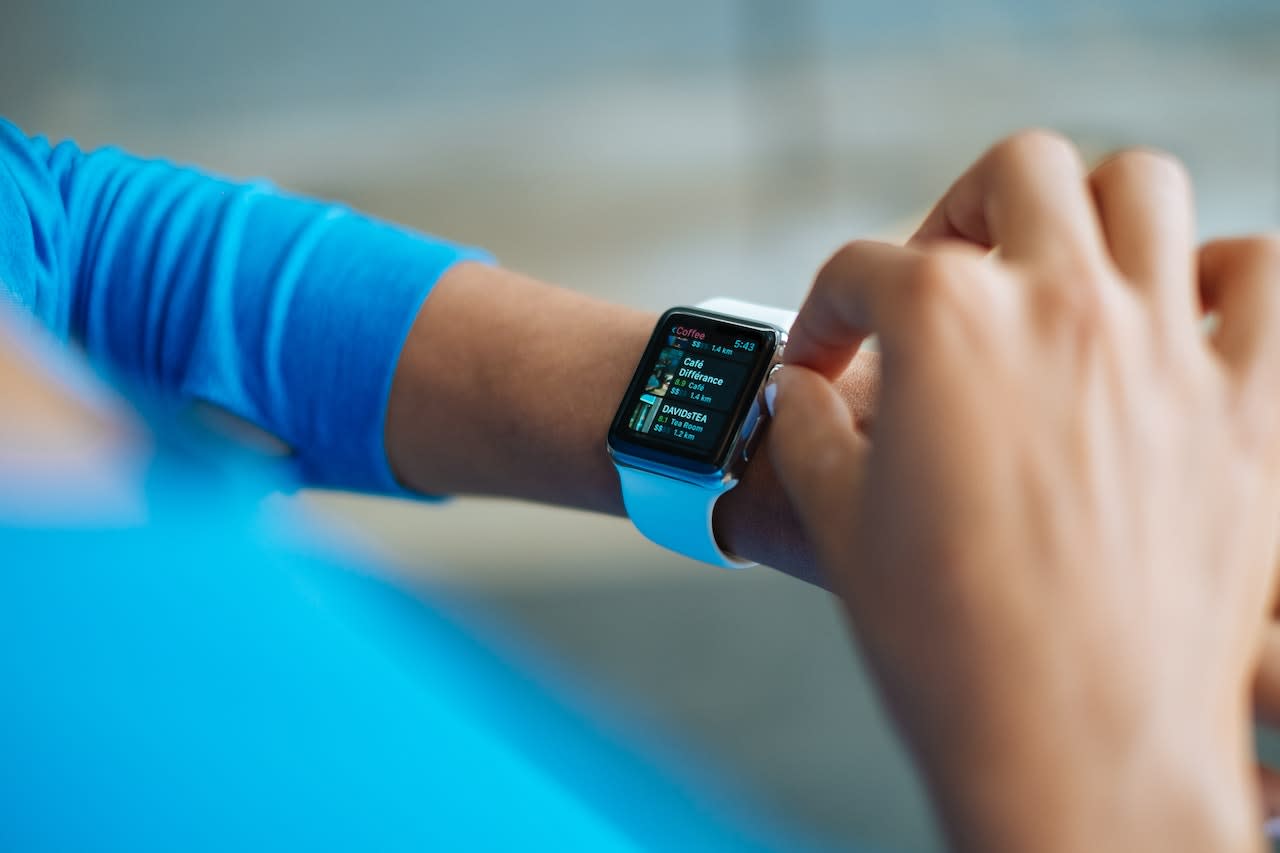
The first and most important thing you would want to have with you are smartwatches with alert functionality, such as the Apple Watch Series and the Bay Alarm Medical Smartwatch. These watches have features that can detect when you have fallen and will automatically call for help. With the Apple Watch, you can also set up emergency contacts who will be notified if you are in an accident. The Bay Alarm Medical Smartwatch is a little more comprehensive, offering fall detection, GPS tracking, and even a built-in panic button.
These are only a few of the features that these watches offer, but they could be the difference between life and death in an emergency situation. The main reason these types of watches are great as life-saving devices is that they are always with you. If you were to fall or are unable to reach for your phone, these smartwatches can help you in those situations.
Insulin pumps
These small, battery-operated devices help to deliver insulin to people with diabetes. Insulin pumps are worn outside of the body and are connected to the user through a small tube. The pump can be programmed to deliver a steady stream of insulin or it can be set to give bolus doses when needed. These devices are incredibly helpful for people with severe diabetes, as they help to keep their blood sugar levels under control without the need for constant testing.
Insulin pumps can also be life-saving in emergency situations, as they can help to stabilise a person's blood sugar levels if they are low. Insulin is essential for regulating blood sugar levels.
Portable defibrillator
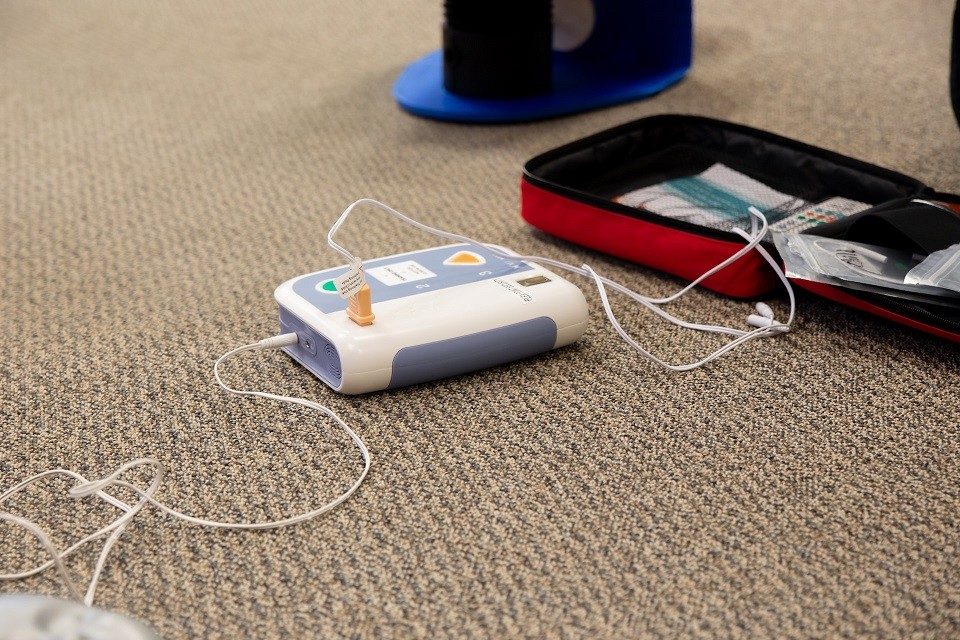
A portable defibrillator is another life-saving tech device that everyone should know about. A defibrillator is a medical device that delivers an electric shock to the heart. Although film and TV may lead you to believe that a defibrillator can restart a heart, this is not at all the case. Defibrillators are used to prevent or correct arrhythmia - an uneven heartbeat that may be too slow or too fast.
Portable defibrillators are small, lightweight, and easy to use. They are often used in public places, such as airports, malls, and office buildings. Many police and fire departments also carry portable defibrillators. These devices can be the difference between life and death in an emergency situation. If you are ever in a situation where someone is having a heart attack, a portable defibrillator can help to save their life. Because they are small and portable, they can be kept in many different places.
Implantable blood glucose monitors
These devices are implanted under the skin and they help to monitor a person's blood sugar levels. These devices are sometimes paired with insulin pumps, so correct doses of insulin can be automatically delivered whenever needed. For less severe cases of diabetes, implantable monitors may be set up to send an alert to a mobile phone to inform them if their blood sugar is too high (hyperglycemia) or too low (hypoglycemia).
While implantable monitors are permanently implanted, the majority of monitors require that their sensors are changed every week or two. In the case of severe diabetes, many of the monitors used only require the sensor to be replaces a few times a year, and this will typically be done by a GP.
Should I get one?
With devices such as insulin pumps and implantable blood glucose monitors, you will be advised by your doctor or endocrinologist as to whether they may be right for you. Although these devices (especially insulin pumps) are expensive, if you have been recommended for a pup and meet the criteria, Medicare will cover 80% of the cost of the pup and insulin supplies, making it both practical and affordable.
Similarly, if you meet all the requirements for an implantable blood glucose monitor (also known as a CGM or Continuous Glucose Monitor), Medicare will cover the costs of the device and will subsidise the cost of replacement sensors.
When it comes to other devices, you need to ask yourself whether you will get usage from a device to offset the at times prohibitive cost. A smart watch, such as an Apple Watch has much more use than simply medical alerts and heart monitoring, so the cost can easily be justified, but for a more specific medical alert smartwatch, you likely won’t need one unless a medical professional has recommended one for you due to an existing medical condition that may result in falls, unconsciousness, seizures or other issues that may need immediate medical attention.
If you need to schedule an appointment to see a doctor to get advice on medical devices, the fastest and easiest way to search for an book healthcare appointments online is at MyHealth1st.com.au